העתיד הממוחשב.

כתוב "ולא ילמדו עוד איש את רעהו….

המחשבים היום הם מחשבים קוונטיים. זה כוח חישוב לאין ערוך יותר מהמחשבים האלקטרונים המוכרים לנו, שהם מכונות וון ניומן.

המחשבים שבידינו הם רק טרמינלים למחשבים המרכזיים של כל המדינות ושל שרותי הביון.

המצב בעולם עדיין הוא "עת אשר ישלוט האדם באדם לרע לו".

הרעים שולטים עדיין.

הם מנתקים קשרים ומפיצים מיסאינפורמציה ודיסאינפורמציה.

כשהמצב ישתפר נוכל לקבל דרך הטרמינלים בבית והמסכים על הקיר אינפורמציה יפה בריאה ונקיה.

יש גם הולוגרמות ועוד ועוד טכנולוגיות מתקדמות, ואכ"מ.

בתורתו של משיח אין אותיות.

עד כה קיבלנו כתורה – טקסטים, ספרים ודיבורים.

העתיד הוא תורה וויזואלית.

אנחנו נראה בעינים על מה מדובר.

אם זה הלכות סוכה, זה קל להבין,

אם וכאשר המערכות יהיו בידים של האנשים הטובים, כל אחד יוכל לקבל את האינפורמציה שהוא רוצה או צריך באופן מידי.

הטכנולוגיות הללו קיימות כבר היום.

מזיהוי קול, וזיהוי  jestures מצבי רוח ותנועות בכניסה, ועד אנימציה תלת מימדית, הולוגרמות ועוד, ביציאה.

הבעיה היא, שוב, מי שולט במערכות המיחשוב המתקדם בעולם ומה מטרותיו.

בינתיים יש הנדסת תודעה, הנדסת אקלים, הנדסת מחלות, ועוד ועוד מרעין בישין.

בשביל זה אנחנו צריכים mashiah now !!

מוסד המלוכה בישראל.

בימים ההם אין מלך בישראל. איש הישר בעיניו יעשה עקום.

הרבי היה מלך ישראל בגלות.

מוסד המלוכה מעולם לא התבטל מעם ישראל.

כשיצאנו לגלות בבל זה היה נקרא "ריש גלותא". במקביל היה גם "ראש הישיבה". אלה הם שני תפקידים שונים, והם לא תמיד הסתדרו יפה ביניהם. זה לא קל. האחד מנהל את העם והצבא מול השלטון הזר, והשני ענינו לחפור בספרים וברעיונות תיאורטיים יותר.

מוסד "ריש גלותא שבבל" לא התבטל מעולם. האחרון שהחזיק בתפקיד הזה היה הרבי מחב"ד זיע"א בניו יורק. 770 היה מכונה "בית רבנו שבבל".

אני למדתי שם שנתיים. החינוך שקיבלנו היה פשוט : הרבי הוא המלך, וחב"ד, אנחנו, ח'יילי ב'ית ד'ויד. ראסמי. אני ראיתי במו עיני איך זה עבד.

היחוס של הרבי לדוד המלך היה דרך רש"י והמהר"ל.

הרב עדין זיע"א בספרו "הרבי שלי" כותב על הרבי שהרבי היה "אבא, מורה, ומלך".

ילדים לא היו לו, לרבי. אנחנו, השליחים, הם הבנים שלו. גם כן ראסמי.

הרב עדין היה נשיא הסנהדרין בפועל עד סוף ימיו. ראסמי.

השלטון במדינה היהודית הקלאסית, כמו שכותב הרב, עומד על שלש רגלים. הכהונה, הסנהדרין, והמלוכה. הרגל הרביעית במרכבה הזאת, הוא הנביא. הנביא איננו חלק מהממסד, אבל כוחו גדול מאד. ראה המאמר הזה של הרב בהקדמה למסכת סנהדרין.

הרבי היה גם נביא. נקודה.

עם ישראל כולו נקרא צבאות השם.

ובדרך אגב, המילה "מדינה" בלשון ההלכה פרושה עיר.

ראה ביהושע כמה מלכים היו בארץ, הוא מונה שם איזה שלשים ואחד מלכים, שיהושע קיסח בכנען : מלך יקנעם, מלך שפרעם, מלך עכברים, ומלך חתולים….

המלך הראשון בישראל הוא משה רבנו, ואחריו יהושע….

יהושע עשה דבר שאף אחד אחר לא עשה. הוא פיזר/ביזר את הצבא, ואכ"מ וד"ל.

תרומתנו למדעי המוח והתודעה.

טיוטא ראשונה:

רקע אישי : למדתי הנדסה רפואית בטכניון, וברמב"ם בחיפה – אנטומיה, ניורו אנטומיה, פיזיולוגיה ונוירופיזיולוגיה. הייתי מוכן לתואר שני בחיבור מחשב ומערכת העצבים. ב '73 סיימתי, והצבא החליט לקרקס אותי. עברתי לסוכנות החלל האירופית, המחלקה למתמטיקה שימושית, אגף סימולציות. לומד את הנושאים האלה מאז.

באוניברסיטה מחפשים מודלים למדעי המוח. התקציבים במיליארדים.

לפני כשלשים שנה כתבתי פרוש קל לספר יצירה. הרב אסר עלי לפרסם, וצדק, כרגיל. הוא אמר לי אז: אתה תעסוק בנושאים אלה כשישלמו לך.

גישה הוליסטית.

האחדות היא העיקרון ביהדות.

הבעיה הפסיכו פיזית מקורה במערב. במזרח אין בעיה כזאת, ולנו גם כן אין.

גוףנפש – כך אנחנו רואים את האדם.

שמים וארץ > מעלה מטה > הפשטה הלבשה.

הבסיס שלנו לחשיבה בנושאים אלה הוא מאמרו של הרב :

https://continuuminst.home.blog/2021/02/23/%d7%a9%d7%a4%d7%94-%d7%90%d7%97%d7%aa-%d7%9c%d7%9b%d7%9c-%d7%94%d7%9e%d7%93%d7%a2%d7%99%d7%9d/

אצלנו הכל פונקציונלי  – גם סיפורי התורה, וגם לשון הקודש. הרב קורא לזה "מודלים אופרטיביים".

שיטת המיון של חז"ל בבוטניקה ובביאולוגיה – היא פונקציונלית. בשונה מהשיטה המדעית המקובלת היום שהיא התפתחותית, אבולוציונית, דרוויניסטית.

ראה מאמרו של פרופ' כסלו ידידנו, על "שיטת המיון של חז"ל בבוטניקה". נמצא "בתחומין".הוא כתב גם את כל הבוטניקה בגמרא של הרב. זאת השיטה.

מודלים מהפיזיקה ?! לא מתאים לנו.

הקבלה וספר יצירה הם מקור מצוין למודלים בנושא הזה :

מעשה מרכבה, האדם מורכב, אבולוציה, רמות התפתחות אבולוציונית במוח.

מלמעלמ"ט – כל המוח, פורמציות, ,,נוירונים, סינאפסות, נוירו טרנסמיטרים,,,

מרכבת יחזקאל – אנחנו יצורים מורכבים מאריה, שור, נשר, וקוף ערום.

ספר יצירה הוא המפתח לכל הסיפורים האלה. זאת גם הערת השוליים היחידה במאמרו של הרב לעיל !!

אחדות בראש.

שמע ישראל. העיקרון הבסיסי ביהדות הוא האחדות. זה מתחיל מהאחדות בראש שלי. מזה נובעת אחר כך האחדות עם אנשים, עם הסביבה, וכל היתר.

עם הזמן, ת"ח דעתם מתישבת עליהם ולעומת זאת, עמי ארצות דעתם מיטרפת עליהם.

למה? כי אין אחדות בראש.

איך זה עובד ?

כל מה שיש לי בראש זה מה שהכניסו לי בראש.

זה מתחיל מהאמא, שמניקה ומלמדת את התינוק את כללי ההתנהגות הבסיסיים ביותר. הוא לומד ממנה את השפה, את ההגדרות במילים, של כל דבר ודבר. זהו למעשה התהליך של "בריאת העולם" של הילד הזה. זהו הבסיס לתפיסת עולמו של הבןאדם. וכל זה בלי קשר לתרבות זאת או אחרת.

יתר הדברים באים על גבי הרובד הזה של ההבנה.

אצלנו, כעקרון אחרי זה בא האבא. לא סתם נקראת האונה הימנית, והחכמה – מוחין דאבא. והבינה אמא.

ואז, עוד ועוד דמויות נכנסות לתמונה. הסבא והסבתא, הרב והרבי…. (במקרה הטוב). למעשה כל הדמויות השונות נכנסים בראש !! וזה הענין !!

מורים וחמורים, חברים ושכנות, כל אחד תורם את חלקו למה שיש לי בראש.

עכשיו,

אם כל זה לא מתארגן נכון, אם יש מחלוקות בין תפיסות העולם, ובנושאים עקרונייים כאלה ואחרים בין הדמויות השונות ומה שבא איתם. אם אין אחדות, הפרוד הזה נשאר במוח. אם לא הצלחתי להביא את כל הידע שלי לשדה אחד מאוחד, יש לי בעיה.

עם הגיל ועם השנים, עם התעסקות עם יותר ויותר עם אנשים שונים, עם רעיונות ותפיסות שונות, עם הצטברות של ידע נוסף כל הזמן, זה גורם לבילבול בראש. טרוף הדעת זה כמו שטורפים ביצה. מערבבים ומבלבלים את החלמון ואת החלבון ויוצאת חביתה.

באוניברסיטה מחפשים מודלים למדעי המוח.

יש כאן גם שאלה ערכית. לשם מה, מה יעשו ומה עושים עם הידע הזה. ועוד יותר חשוב מי מממן את המחקר ומי מקבל את התוצאות.

סימולציות – הנדסת מודלים – זאת מומחיות שלי.

קיברנטיקה – מדע המודלים – זאת היתה המומחיות של החברותא שלי שנפטר לאחרונה ד"ר יצחק חיותמן. הרב הצמיד לי אותו לפני שלשים שנה. אישתו והוא ערכו את הפרוש לספר יצירה של אריה קפלן. יצא לאחרונה בהוצאת ידיעות אחרונות.

מודלים מהטבע, מלמטלמ"ע : נמלה, חתול, קוף, אדם. כמה כל אחד מהם מבין ויודע. לי נראה שאנחנו לא כל כך רחוקים מכל אלה. פשוט, עשינו עוד צעד אחד קדימה בהתפתחות.

באנליזה של המוח : …. טרנסמיטר, מבנה מולקולרי, מבנה האטום, חלקיקים תת אטומיים, והלאה, והלאה, עד אינסוף. זה לא עסק…. גישה הוליסטית אינטגרטיבית תיתן תוצאות הרבה יותר טובות. זה כל הענין.

דרך אגב, אינסוף בקבלה זה מושג יחסי. כל עולם בקבלה נחשב אינסוף ביחס לעולם שבא מתחתיו. כמו למשל הרבי לגבי החסיד.

העולם – גבולות ותחומי הידע האנושי – זה סיפור בפני עצמו. ולאן כל זה הולך ?! רק לנו יש פתרונות לבעיית "התפוצצות המידע" כי העולם "נברא" בלה"ק !!

האדם במרכז, וכל היתר בשביל האדם. זאת הגישה שלנו.

העולם נברא בלה"ק.

קריאת שמות, ע"י הקב"ה וע"י האדם.

מה זה "עולם" ומה זה "נברא". הבעיה הזאת נוצרה בגלל התרגום לשפות ולדתות מערביות. ראה בתחילת פירושו של הרב לבראשית.

הדפרטמנטליזציה של המדעים נעשתה ע"י הכנסיה בשיטה של הפרד ומשול, זהו מגדל בבל כפשוטו. לנו יש את הפתרון האולטימטיבי. אז אהפוך אל עמים שפה ברורה. יש אצלנו תכנון ראשוני של כל העסק. עבדנו על זה עשרות שנים. זה לא בשמים. זה פרויקט אחר.

מודלים אופרטיבייםמהרב, ככה צריך לחשוב .

שפות :

שפות סימולציה, שפות תיכנות,,,

השפה כהדמיה, כל שם הוא מודל.

מתן שמות הוא הפעולה התרבותית הראשונה של האדם.

לגבי הפיזיקה המודרנית, לדוגמא, ואני באמת ובתמים לא למדתי, ולא מבין בזה. השמות שהם נותנים לכל מיני דברים שם, והשפה שהם משתמשים בה, זה נשמע יותר גרוע מג'וג'ו אפריקאי. בדקתי את זה עם חברים פיזיקאים שהיסכימו איתי. מה זה נותן, הרבה בילבול וחוסר הבנה, ויותר מזה, התחום כולו נשאר סגור כמו איזה מיסטיקה שחורה שמובנת רק למי ששייך למועדון הסגור.

היסטוריה של השפות המדעיות > לטינית, צרפתית, גרמנית, אנגלית -> שפה ברורה.

בעזרת השם המפורש נעשה ונצליח.

קאפיש ?

תורתו של משיח

הרבי אמר : "יש תורתו של משיח תפקחו את העיניים".

תורתו של משיח היא תורת השער החמישים.

השער החמישים הוא שער הראיה, ביחס למ"ט שערי הבינה שהיא שמיעה.

בתורתו של משיח אין אותיות, כך אמר הרבי נ"ב.

התורה היא אחת והיא לא תשתנה, כמו שכתב הרמב"ם בהלכות מלכים ומלחמותיהם.

הקו שלנו, ואת הקו הזה התווה הרבי, והוא גם קבע אותו בראשי התיבות : מ. י. ד.

מ.שה רבנו – י.שראל בעל שם טוב – ד.וד מלכא משיחא.

מסירת תורת משה, בשיטת הבעש"ט שהוא התחלת התנוצצות אורו של משיח. זה הקו שלנו.

הבעש"ט אומר על עצמו " אני באתי ללמד דבר אחד – את ההבדל בין עיקר וטפל".

אז, בואו נראה….

/*

הרבי אומר "יש תורתו של משיח תפקחו את העיניים". ניסיתי, והנה מעט ממה שהעליתי.

תמיד יש מלחמה, מאז ומתמיד מנסים להשמיד את עם ישראל.

משה הוא גואל ראשון והוא גואל אחרון.

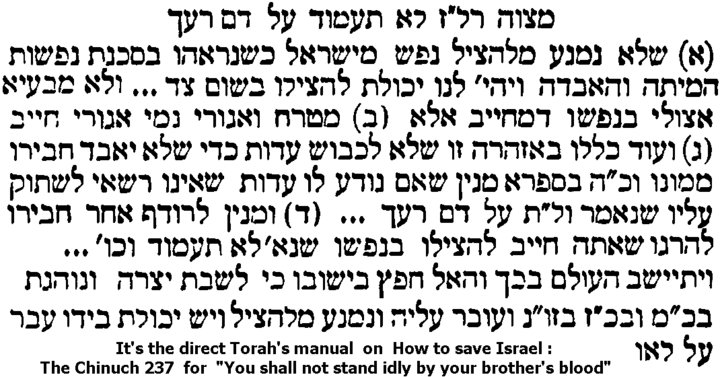
עיקר הענין הוא איך מצילים את עם ישראל.

משה, כשחזר למצרים בגיל שמונים לא היה רק חכם, אלא גם בעל ניסיון. הוא ידע את כל המדעים והתרבויות של של זמנו. הוא גדל וחונך כנסיך מצרי, למד אצל יתרו שהיה הגדול בחכמות המזרח, היה מלך אצל הכושים ארבעים שנה, וכך היה בקי גם בכל הטריקים והכישופים של אפריקה.

התרבות המשעבדת היום היא תרבות אדום, רומי. אני דיברתי רומנית כשפה ראשונה. זאת השפה הקרובה ביותר ללטינית. מאז למדתי עוד כמה וכמה תחומים טכנולוגיים ומדעיים. הסופים שלמדתי אצלם – הניזארים, היו האססינים בזמנם. אבל, לפני כשבע מאות שנה הם לקחו את השלום כבסיס לאמונתם. כשהם שלחו אותי בחזרה ליהדות, הם הודיעו לי שהמסורת שלהם היא מיתרו. זו מסורת עתיקה עוד יותר מעם ישראל. הקיני הם בני יתרו, והם תמיד עזרו לנו, ושמרו על השפיות שלנו. למדתי גם את חכמות המזרח הרחוק.

על שלמה נאמר שחכמתו היתה גדולה מחכמת בני קדם (המזרח) וחכמת מצרים. את שתיהן הוא ידע, ומעל זה את חכמת התורה – האחדות שגם מאחדת את כל המדעים.

לגבי חכמת מצרים, כבר אין שם כלום. הוצאנו את כל מה ששווה משהו, לכן יש מצווה לא לחזור לשם.

על המשיח נאמר שהוא מתחיל כמו דוד במלחמות וקאסח, ואחר כך עובר למודוס אופרנדי (צורת עבודה) של שלמה – שלום השלמה ובנין.

הרבי אמר על המשיח, שהמלחמה נהייתה לו טבע שני, אבל, הנשק הגדול שלו הוא השלום.

נו….

מה הסוף ?

מה זה ים סוף ?

הים הוא התורה – חמישים שערי הבינה.

על משה נאמר "ויפן כה ו כה …. ויך את המצרי".

קריעת ים סוף בתורה פרושה – שים חלק בצד אחד, חלק בצד השני, ותעבור ביבשה, בחול.

"מה תצעק אלי, דבר אל בני ישראל ויסעו !! זה המצב עכשיו !! דיבורים כבר לא יועילו.

אנחנו כבר מבינים את רוב הניסים שביצע משה, גם את אלה שמופיעים במקדש. אנחנו גם יודעים איך זה נעשה.

דור יוצאי מצרים היו עבדים משוחררים שלא ידעו כלום ולא הבינו כלום. היה צריך לעשות להם כל מיני תרגילים כדי שיאמינו בהשם ובמשה עבדו. והתורה הרי לא יכולה לספר איך נעשו כל הדברים הללו, אלה הם סודות המלחמה של עם ישראל בכל הדורות.

הרבי אומר שכל הענינים שהיו ביציאת מצרים צריכים להיות בגאולה הזאת, כאן ועכשיו. כולל עשר המכות, יציאת מצרים, קריעת ים סוף, וכו'.

איך נראה לכם שבני ישראל יצאו ממצרים חמושים אחרי לילה של דם ואש ותמרות עשן…. לילה בו נהרגו כל הבכורות במצרים. הבכורות היו הגדולים שבבית, לאו דווקא פטר רחם.

תארו לעצמכם איזה סרט היה הלילה ההוא….

ואז,

ורק מאז, אנחנו נקראים צבאות השם.

עשינו התחלה….

/*

"שלום" אמריקאי – PAX  AMERICANA

עד היום האויבים שלנו כאן היו האמריקאים.

הם עם האירופים והגרמנים הוציאו עלינו את הערבים.

כמובן שאמריקא לא עשויה מעור אחד, ויש שם כל מיני גורמים שונים.

לנו נראה שטראמפ בסדר, וגם נראה שהוא פועל וחוזר.

בינתיים, הם רוצים לעשות לנו כאן "שלום" כמו שעשו בוויטנאם, בעיראק, בסוריה, ועכשיו באפגניסטן.

"האביב הערבי" – זאת תכנית שהגה זבגנייב ברז'ינסקי מה CIA. הרעיון היה להפוך את כל מדינות ערב, ולשים בראש כל מדינה את המשת"פים שלהם. אנחנו בסנהדרין ידענו את זה כבר שנתיים לפני שהם התחילו !! הם התחילו בטוניס, אח"כ בתחריר בקהיר,, לוב הלכה,,  איפה עיראק היום, איפה סוריה,, מה קורה באפגניסטן ?!

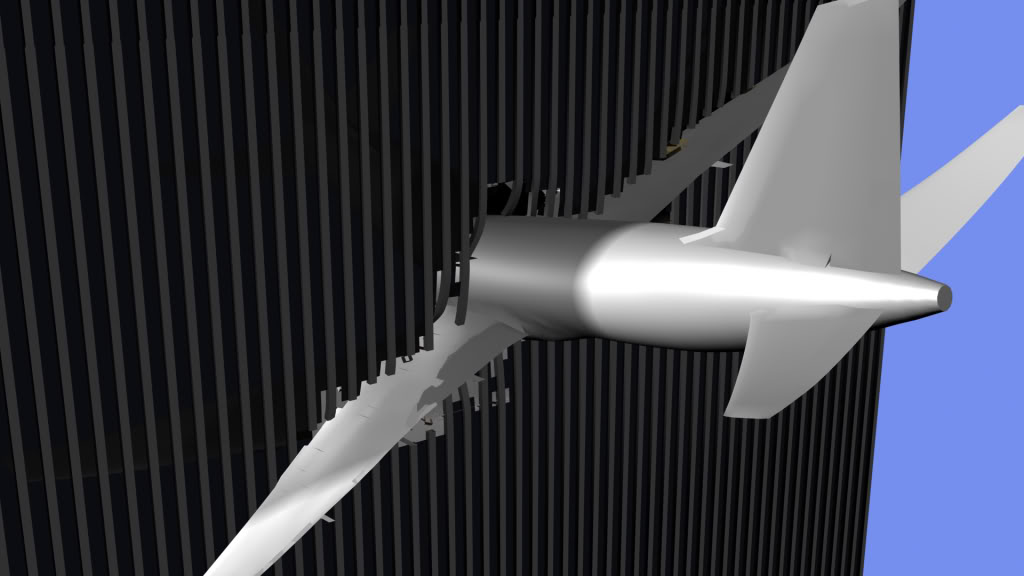
זהו למעשה מסע צלב. בוש הקטן אמר את זה בטלויזיה, אחרי שהוא כנשיא מכהן בארה"ב הפיל את התאומים (!!) למי שלא יודע, שידע !!

וזאת :

א) כדי לצאת למלחמה באפגניסטאן.

ב) כדי להצדיק את העובדה שהם מצותתים לכל אזרחי ארה"ב. כי הרי, לכאורה יש שם טרור בתוך המדינה (כמו שהם סידרו אצלנו).

מבחינתם הערבים הם זבל, אבל, אנחנו היהודים גרועים יותר .

ובנוסף, ובעיקר, יש שם גם כוחות אנטישמיים חזקים, ראה לדוגמא מבצע  PAPER CLIP .

אבל, כמובן, השם גדול.

עברנו את פרעה, ועוד כאלה.

נעבור גם את אלה,

בשלום.

The Messiah Complex

Rabbi Adin Even-Yisrael (Steinsalz)
Translated by Dr. Isaac Y. Hayutman

"The People of Israel, in its general national being, and moreover in the being of each individual, is affected by a certain characteristic complex, namely the Messiah complex"

" . . .They all hold within them, some unconsciously perhaps, the basic dream of the Jewish child: to be a messiah."

Just as there may occur mental complexes of an individual, so too there may occur mental complexes of a whole nation. It is proper to distinguish between these complexes as two different types, national and individual, and that in spite of their similarities they are not identical.

Sometimes a complex is national – namely, it belongs to a collective of people. To the extent that we can speak about the aims, hopes or dreams of a nation, we can also speak about complexes that belong to this nation and affect it. There are nations that are afflicted by paranoia. There are some that have superiority complexes; and some that have inferiority complexes. Sometimes it is possible to give an adequate historical explanation why there may have developed a certain complex or a certain madness in a certain nation. At other times there seems no clear and rational explanation. In any case, these national complexes, like other national characteristics, have to do with the collective. It is possible to say that when the large majority of people of a certain nation act with a certain uniformity, a certain unity, then there appear certain characteristics which are mental attributes or modes of behavior which belong to the collective as a whole.

Because this is a generalization, it is possible to find many individual cases which do not belong to this collective rule (as it is possible to find with any general rule). But moreover: sometimes a certain characteristic belongs only to the collective, to the large majority of the public, whereas the individuals themselves do not exhibit these characteristics any more than do the people of other nations and other collectives. A certain characteristic, be it negative or positive, may become apparent only when the large majority of the public acts together on a large scale extensively, and even then there may appear characteristics which apparently do not show, or show only in a minor way, within the individuals.

This very phenomena, the difference between the behaviors of individuals and collectives is known, and there is no doubt that individuals act, and to some extent feel and think, in a different way when part of a collective or crowd. The more common observation is that the psychology of individuals within a crowd are different from the psychology of each of those individuals when each is by oneself.

There are also national complexes which are not necessarily a part of the public and collective milieu, but which extend and reach the psyche of each individual. The public then acts as an ensemble, a collection of individuals, separate persons, each of which has those mental characteristics.

The People of Israel, in its general national being, and moreover in the being of each individual, is affected by a certain characteristic complex, namely the Messiah complex.

The general definition of a complex is a phenomena, or a psychological wish, which resides within the person and which does not manifest in him consciously, but nevertheless it affects him and through its power he often behaves unaware of the true inner reason. The Messiah complex is the will, intention, compulsion to be a messiah, to be the redeemer and savior of the world.

A Messianic complex is not just the general wish – be it overt or covert – to redeem the world or to improve the conditions of the world, but it includes another component just as important. The messianic wish is not merely a general wish for improved conditions and for changes for the better, but the wish of that private person to become personally the redeemer of the world.

The sages have commented about the scripture "do not touch my messiahs (=anointed)" (Chr.I 16:22) – "these are the infants of the Beit Raban". This saying alludes to the same idea. The small children, the infants of Beit Raban, all want to be the messiah. Namely: a Jewish child grows – perhaps is born – with the desire to be a messiah. Therefore school children ("infants of Beit Raban") are all "my messiahs", each one of them is within the category of a small messiah. And if he is not a messiah, whether in his present capacity or in his potential future, at any rate he belongs within the category of small messiah through the power of his will, the power of his dreams.

From the inner Jewish world view it is possible to say, that each member of Israel has in him, in some way, a messianic spark. Obviously, not each person of the People of Israel is a messiah, not in potential and certainly not in actuality. Yet some spark of messiah exists within each one. In this sense, just as we believe that within each one of the People of Israel there is a some spark of the Fathers and shepherds of the nation – Abraham, Isaac and Jacob – which the person inherits as his essential heritage, likewise in each one of the People of Israel there is a spark of messiah which strives for realization. In this sense, each has a spark of the future realization. The messiah that is to be revealed is the collective, the union, of all these sparks of all the generations in one personality, a kind of final union. A union of that certain essence which is found in each one of the People of Israel and reaches its full expression in one person who contains all these in him.

The essence of the messianic idea is, in its primary sense, the redemption of Israel, the desire to regain the glory of the nation of Israel to its former state, to renew in every sense the glory of the Jewish kingdom. But the messianic idea is undoubtedly much more encompassing. For the redemption of Israel is a stage, a specific step within a wider, much more comprehensive process, which is the redemption of the whole world.

There are differences of opinion found in Judaism in relation to the messiah. Some see in the messiah an entry to the newly transformed world by all senses and meanings, and some see in the messiah an intermediary, and very worldly, step towards further drastic changes in the nature of both the spiritual and physical world. Both are nevertheless equal in conceiving the messiah as the redeemer of the world and changer of reality. Messiah means not only a new order within the political structure of the world, but a new order in the nature of relationships between human beings, the nature of relations between people and God, and beyond this – in the very structure and nature of the world we live in. Messiah is the entrance to a new world, a world without war, a world without deprivation, a world without suffering, neither mental suffering nor bodily suffering.

The belief in the coming of the messiah is by itself not just an abstract notion about a happier existence. In distinction with the belief in the survival of the soul and a good share in the World to Come, the belief in the messiah is, in essence, a belief in changing the reality of this world. It is clear that in this belief there is also a protest against the difficulty, injustice, sorrow and suffering of this world – the Jewish suffering as well as the general suffering of the world. The Jewish peculiarity of the belief in the coming of the Messiah is itself a part of the concept of the vocation of the People of Israel.

It is particularly in the messianic conception, with all its peculiarity, that stresses the general duty towards the overall reality. It also propagates a particular conception of the vocation of the whole of Judaism as the change, the Tikun, of the whole world. Moreover: whether a person of Israel thinks and acts to somehow bring the final redemption nearer, or when he is not consciously active in this, in any case a part of his beliefs is that his deeds, relations and activities as a Jew is an essential part of the bringing of the messiah. The messianic vocation is therefore not the wish but the desire, and later the action, in any way it may be performed, that the messiah will indeed come to the world.

The meaning of the belief in the messiah draws therefore the religious duty and the Jewish solidarity out of the realm of something which is only attached to the past. Judaism is therefore conceived not only as the continuation of a movement, whose foremost, basic motivation was given some time in the past, and from whose power Jews continue to move in this way, but simultaneously as an endeavor towards an additional focus. The focus of the messiah is connected to the future. There is therefore not only the continuation of movement, but also continuous activity which moves and is motivated towards a belief in the future.

The bringing nearer of the redemption is not only in the realm of a national duty or a belief belonging to the collective, but specifically because it is detailed and performed within the domain of the Mitzvot (commandments), it becomes the business of the individual. His own activities and personal acts, in totality, in specific and even idiosyncratic details, are bringing the redemption nearer. So too, his shortcomings and sins, in their total and in their various details, are delaying the redemption, and preventing the coming of the messiah.

All these, the collective and the Jewish individual are within the category of raw material, the substance upon which the redemption operates. Both are within the category of productive powers, actors, whom produce the redemption in one way or another. Not only does the collective will split into parts, but it becomes the role and property of the individual parts. A part of the duty is necessarily put upon each individual, and each individual is therefore, even in the most formal definition, a part of this process of bringing the redemption.

The messianic idea becomes not just an idea for the collective but more: it is a motivating power, a prompting power, an idea which by itself is a means for producing things or for persisting in doing them. This idea has its intellectual form as a concept, an idea, and as a theological topic. This idea prompts internalization as a stimulus for activity. This idea also has influence on the soul. The messianic vocation becomes not only a coordinate in the image of the future, but more than that: it becomes the messianic dream. Namely, this is not some idea which is the subject of deliberation and consideration only, that a person deals with as with specialized problems. The messianic idea becomes a life dream, part of the inner infrastructure of living, something that operates not just in the intellectual part of the soul, but also in its depth and mysteries.

Why does the messianic dream expresses itself in a clearer and fuller form with children? Precisely because they are children. Being younger, they are much more sensitive to the meanings of things, not particularly to the issues which have formal definitions (which they not always can or want to understand), but specifically an attitude towards dreaming. Just as children speak openly and in public those things which the adults whisper in hiding, so do children openly dream the things which adults do not always express in the same explicit and open way. Because they are young they accept ideas with greater zeal and simplicity, and they cling to them – albeit in a childish manner – with all their heart.

Moreover: from this aspect children have another side, namely – that of their innocence or at times their naivete. Adults, because they have experience, because they have a wider understanding, know or understand to some extent the difficulties which impede the execution of a task. They also understand the formidable extent of such a task. They can accordingly evaluate how difficult it is to bring matters to fulfillment. Children, on the other hand, because of their lack of real knowledge, because of their lack of experience, because of their lack of ability to comprehend all the complexities, regard wishes and desires with utter simplicity. Whereas the adult can evaluate to some extent his limitations and know how much he can do and cannot do. There is no such barrier in front of the child, and certainly not in front of his dreams. The child does not recognize his limitations, neither those of his being a private person nor those of his character, therefore he can dream, aim for and desire that which he may never perhaps be able to attain or actualize. That the child is merely a child and is merely dreaming does not as yet prevent him from dreaming.

And therefore, the messianic dream is not only in the pattern of the great vocation, as a general dream, but is also a private dream, a private desire. A messianic dream is a personal dream, aiming not only to arrive at a certain state, but as the dreamer to be himself the person who brings matters into their new realization. This is why the Jewish child dreams about becoming the messiah, why the school children ("infants of Beit Raban") are "my messiahs".

What happens to these children as they become adults? What happens when children lose the innocence of childhood? Through ongoing learning of the facts of life, adults come to know that a change in the world – and not just changing the whole world but sometimes even a tiny part of it – is an immense and seemingly impossible task. Adults understand the meaning of a change in the world, and know how distant the world is from those dream like states of redemption. Not only do they discover evil, cruelty and toughness in the world, but they also discover the great power and immense difficulty required to overcome them.

Every person, as he matures, learns to know his own limitations. As long as he is a child he can believe that he can do anything. In maturing he learns the limits of his own power, being an individual with an assembly of abilities and qualifications and the limitations upon each one of them.

And of course, the life of an adult forces one to set priorities in his life. These generally have necessity and value in one's short-range consideration and therefore receive practical priority. People sink inside their work, family life and in activities that are limited in some way or another. Adults have time for their dreams only as a marginal priority in their being. In accordance with the necessities of life, one must do those things that he thinks, at any rate, that he is capable of actually accomplishing.

What happens then to the dream about the messiah? This dream is not annihilated completely. It is not necessarily cast aside as an unwanted thing, but is transferred, onto less emotional, less demanding systems of belief and activity that are in various domains which no longer demand conscious immersion in that improbable dream. The messianic dream is not just a wishing for good things, for a wonderful future that will some day come about anyway. It is a dream that has a great deal of demand, and therefore as happens to other childhood dreams, this dream is repressed. The messianic dream is removed from daily thought, and at times – even from the conscious domain of cognition.

Yet repressed dreams do not get annihilated. They enter through various routes into the depth of being, and what was an overt dream, an explicit desire, becomes hence something that is hidden within the mysteries of the soul. This dream becomes an inarticulate force which gets involved and entangled in the courses of life – namely, this dream becomes a complex.

Because the messianic vocation is such an essential component in Jewish national striving, it becomes not just a part of the national consciousness, but also a part of the private consciousness. And even if it does not find its expression in overt and explicit thought, it nevertheless finds its expression as an incoherent and hidden striving, as a messianic complex.

The fact that a child (and to some extent also an adult) dreams of grandeur is, in fact, a general phenomena. Many children dream, in some stage or another of their life, to become kings, governors, conquerors of the world and its rulers. And without doubt the dream about becoming messiah has resemblance to all these dreams. Being part of the thinking capacity of the child, they are magnificent and grand dreams without considering the practicality and possibility of achieving them.

But the messianic dream is not only a dream of grandeur: in a certain sense, the difference or the distinction of the messianic entity is predicated in the dream itself. The will or desire for personal greatness is but only a part of the dream. It should be remembered: the essence of the messianic dream is not in greatness and power but in bringing redemption to others. For the messiah, the central problem is not his own greatness, own-rule, but precisely the other, the situation of others, the world.

In order to want to be messiah it is necessary to recognize and to feel in some way (whether be it explicit or very dim) the poverty of his people, the suffering and the deprivation of his nation, and in the largest extension of this – the problems and pains of the whole world. The messianic feeling thus starts with existence, that existence needs rectification. Also a feeling that existence places a huge task upon man – to bring it into change, into rectification and into redemption. Therefore, in whatever form it manifests, its focus is actually the other, and not the self. The problem, the pain, the deprivation of the other is what raises this feeling with regard to the other. It is because the others are in some distress, that it is I who want, who desires (at times – is required, forced, compelled) to be the redeemer and savior.

Repression of the messianic dream is prevalent also among the orthodox believers of Israel. For those who say every day that they believe with complete faith in the coming of the messiah, even for them the personal dream at any rate becomes repressed. He is no longer the person who dreams and desires to become himself the redeemer and savior. Rather he still believes with all his heart and expects every day that the redeemer and redemption would come to the world and to him, but not from him.

But this repression is present with a bigger magnitude among those Jews who no longer explicitly recognize the messianic vocation. Nowadays the chances are that a Jewish child – and so much more the adult – will grow up as one for whom his Judaism is some luggage of the past (and often – a luggage he would have liked to be rid of). He can be in his own view a bit Jewish, or an agnostic, or even an atheist, and on the face of it – what has he to do with the belief in the Messiah? But, as noted above, messianism is not only a part of a certain conscious realm. Messianism is in part made of the essence of the Jewish person whatever he is. Whether he is overtly interested in it or is not interested in it at all, whether he is aware of it or is totally unaware of it. This is a part of his collective unconscious. It affects him not only as a general desire from its national aspect, but also as an individual. It is a conditioning which affects his private life, his private dreams and private desires. While it may be possible that the parents of a Jew raised him in such a way that he will be completely deprived of any manifest Jewish idea, they cannot deprive him of the basic essence of his soul. Still within every Jew there remains the messianic dream, or at any rate, the messianic complex.

Indeed, the messianic complex becomes apparent with Jews even if they no longer act as Jews in any explicit manner. This complex, if it is to be defined by the form it manifests and appears in its non-Jewish contexts and manifestations, is still at its base the very same idea. It includes within itself a deep feeling of sensitivity to the sorrow and the suffering in whatever outer reality, and in great force generally to the sorrow and suffering of other people.

But beyond this sensitivity there is also an additional element, which is so very characteristic of the messianic feeling. Not only is there a sensitivity to the problem of the other, but there is also a feeling of a duty to do something in order to change the situation, in order to ameliorate it. In grander terms – in order to redeem the world. Indeed, there are countless examples how Jews everywhere initiate, participate in or lead actions, operations and whole movements which are at their base liberation movements. Movements to exit from some degree of suffering, movements which for this or that purpose aspire to a degree of redemption. The immense percentage of Jews who participate in revolutionary movements is a phenomena that does not need much proof. In fact there is hardly any revolutionary movement of the last few centuries in which the Jews where not participants. Even in places where the percentage of Jews in the general population is small, their percentage in revolutionary movements is incomparably greater.

When these matters are examined it is seen that this revolutionism is not the essential point of these movements. Their focal point is not the upturning of the existing order, but their being in one way or another movements that try to ameliorate the existing situation. They are movements to improve the prevailing reality, whether this is a matter of national liberation or a matter of social liberation. These are movements that sometimes do attempt a radical and revolutionary manner, but mostly they try to reach the same degree of amelioration of the state of the world through other ways, through instruction or influence, through assistance and help. Examples are peace movements and psychological liberation movements and movements for the amelioration of the conditions of those in pains, and organized activities to improve the life of hungry, sick or suffering people. These activities are geared primarily and especially to ameliorate the situation of persons, but sometimes they go beyond that to change the world, the greater environment, or reality at large. The percentage of Jews in Leftist movements has always been impressive, as is their adherence to them. It is because these political movements are at base world movements that try to redeem the world, albiet a political one. Jews have also participated with the same degree of enthusiasm in their various national liberation movements. At times, also with liberation movements of other nations among whom they settled, to fulfill an inner need to participate and struggle for liberation.

These movements, of which the Jews were a part, and oftentimes – also initiators and leaders in them, have nothing in common as far as their ideologies are concerned. Jews have participated in many Leftist revolutionary movements, but also in revolutionary movements which were expressly Rightist. Jews have participated and acted in movements which were essentially cosmopolitan, and no less than that – in liberation movements which were nationalistic and particular. There are many movements, in which Jews were active, that were by definition materialistic and atheistic, but no less than that – in movements which had deep religious tendencies (and not necessarily Jewish).

What is common to all the movements, to which Jews were connected with a deep spiritual bond? What is common in the thousands and myriads of actions for economic and other types of assistance, for many and various needs? It was not in the particular ideology but the same general dream. The dream of redemption. It is the dream which issues from the perception of deprivation, from the perception of need, for the negation of oppression, and for the desire to bring matters to a higher state. Whether in a part of the world, one country, one nation or particular race. In other words: in any place were there is a will to bring redemption to the world.

What is at the heart of all the Jewish participation, in liberation and redemption movements, of all their different species and kinds? Whether Jews have participated in them as leaders and initiators or as regular members, or as partners to whatever extent, what is in their heart? It was not primarily – what is the benefit that I (and at times not just the private I but also the national I) can derive from this movement for myself. Since, as noted, the messianic complex is not based on the personal desire for grandeur or influence, but upon the perception of something that requires rectification and on the feeling of duty to do something to assist this rectification. The first phase, the initial drive, issues from the need, from the suffering, even if later there joins to it all kinds of other desires or drives. The basis is the will to help, to aid, to assist, in order to bring rectification, to bring liberation. These movements are primarily in order to bring redemption to that world in which they operate.

The rational question which people may ask themselves is, who asked you to interfere? Who gave you the authority to do things in this area? This is a question which the Jewish person does not ask himself. This question is indeed often asked by others, those who feel threatened by such an intervention whatever it is. At times even by those people for whom and on their behalf the Jews act in order to help and to assist. Certainly, in many of those cases the others accepted this help and this prompting willingly, in which the Jews were the initiators and leaders. But there were also many cases in which almost from the start the feeling of gratitude (to the extent there was any) was accompanied by a feeling of resentment: what business have you with my affairs? A feeling which was at times accompanied by the suspicion, that someone is exploiting this movement or this activity for his own benefit. A suspicion at its base – not necessarily because of this type of resentment, but from a basic lack of understanding. The basic understanding that drives Jews in many and different places, to a dedication and even self sacrifice for others.

But, as noted, the Jewish drive to do those things does not derive from what these Jews are formally asked to do, and certainly not because they have an interest to do them. This drive is derived from an inner compulsion which the suffering, and specifically the suffering of the other, raises. Moses, who is the first redeemer of the nation, begins his activity from this same drive: to help the sufferers, to redress an act of injustice. And he does this not because he is required to, but because he is driven from from within himself to do so. And even when those whom he tries to help are ungrateful, and when they act against him. Since his compulsion does not derive from the will of the others, but from that which is within him, from his own messianic dream.

Thus, through all the generations there were Jews who went and acted in this way, because they were Jews. Namely; from an awareness that their Jewishness obliges them to act in order to redeem the world, and they do this even when their conceptual connection to Judaism no longer exists. They do this even unconsciously and because of a drive which they themselves are not able to explain. All these drives are the same drive expressed both in extreme and revolutionary forms, and in public actions, but also in private actions which are not impressive. The same drive which leads a certain person to participate in a revolutionary movement can bring another, who has a different character or other challenges, to become a physician or a social worker. But at the bottom of it they are both driven by the very same force.

Jewish dreamers are certainly difficult to recognize at first. What drives the revolutionary youth, who tries to build an atheistic national liberation movement in a certain country, the pot-belly physician who treats patients in some other place, and the tired teacher who sits and teaches the children of others? They all hold within them, some unconsciously perhaps, the basic dream of the Jewish child: to be a messiah.

תסביך משיח

"התסביך המשיחי" של עם ישראל. הרב עדין אבן-ישראל (שטיינזלץ).

ניצוץ משיחי

פסיכולוגיה של המונים שונה מהפסיכולוגיה של הפרטים המרכיבים את ההמון הזה, אולם ישנם תסביכים לאומיים שיורדים ומגיעים לנפשו של כל פרט. עם ישראל – לא רק בהוויתו הלאומית הכללית, אלא יתר על כן: בהווית הפרטים שלו – לוקה בתסביך טיפוסי מסוים והוא – תסביך המשיח. תסביך המשיח הוא הרצון, השאיפה, הדחיפה להיות משיח, להיות מושיעו של העולם.

תסביך משיחי איננו רק הרצון הכללי – עמום או גלוי – לגאול את העולם, אלא יש בתוכו מרכיב נוסף, ולא פחות חשוב, שהוא: כאשר הרצון הזה איננו שאיפה כוללת, לא לשיפור בתנאים ולא לשינויים לטובה אלא לשאיפה של האני הפרטי שהוא יהיה גואלו של העולם.

חכמים אמרו על הכתוב: "אל תגעו במשיחי" – "אלו תינוקות של בית רבן". המאמר הזה רומז לאותו רעיון עצמו. הילדים הקטנים, תינוקות של בית רבן, כולם רוצים להיות משיח. ילד יהודי גדל – אולי נולד – עם רצון להיות משיח. ומשום כך תינוקות של בית רבן הם כולם "משיחי", כל אחד מהם הוא בבחינה של משיח קטן. ואם אינו משיח, לא מבחינת יכולתו הנוכחית ולא מבחינת הפוטנציאל שלו בעתיד, מכל מקום הרי הוא שייך לכך מכוח רצייתו, מכוח חלומו.

לא כל אדם מישראל הוא משיח, אבל ניצוץ כלשהו של משיח מצוי בתוכו. במובן הזה, כשם שאנו מאמינים שבכל אדם מישראל יש ניצוץ כלשהו של האבות והרועים של האומה – אברהם, יצחק ויעקב – שהוא נוחל אותם בבחינת מורשתו המהותית, כך יש בכל אדם מישראל ניצוץ משיח שהוא ניצוץ של העתיד. המשיח הוא הקיבוץ, ההכללה, של כל הניצוצות הללו של כל הדורות כולם באישיות אחת, מעין הכללה סופית של מהות מסוימת שנמצאת בכל אדם מישראל ומגיעה לידי ביטויה השלם באדם אחד שכולל בתוכו את כל אלה.

החלום המשיחי

מהותה של האידאה המשיחית היא, במובנה הראשוני, גאולת ישראל, הרצון להשיב את תפארתו של עם ישראל לקדמותה, לחדש בכל מלוא המובן את תפארתה של המלכות היהודית. אולם ללא ספק הרעיון המשיחי הוא רחב הרבה יותר מזה, משום שגאולת ישראל היא שלב, צעד מסוים בתהליך רחב, מקיף, הרבה יותר מזה, שהוא גאולתו של העולם בכלל.

משיח אין פירושו רק סדר חדש בתוך המבנה הפוליטי של העולם, אלא סדר חדש במהות היחסים בין אדם לחברו, במהות היחסים בין האדם לקב"ה, ומעבר לזה – בעצם מבנהו, מהותו של העולם שבו אנחנו חיים. משיח הוא הפתח לעולם חדש, עולם שבו אין מלחמה, עולם שבו אין מחסור, עולם שבו אין סבל, לא סבל הנפש ולא סבל הגוף.

האמונה בביאת המשיח היא כשלעצמה לא רק מחשבה ערטילאית על מציאות מאושרת יותר: להבדיל מן האמונה בהישארות הנפש ובחלק טוב בעולם הבא, הרי האמונה במשיח היא, במהותה, אמונה בשינוי מציאות של העולם הזה. ברור שיש באמונה זו גם מחאה על הקושי, העוול, הצער, הייסורים של העולם הזה – הצער היהודי כמו הצער העולמי הכללי. האמונה בביאת המשיח היא עצמה חלק מן התפיסה של הייעוד של עם ישראל.

בין כשאדם מישראל חושב ועושה מעשה בכל דרך שביכולתו כדי לקרב את קץ הגאולה, ובין כשהוא אינו פעיל בכך, מכל מקום חלק מאמונתו הוא שמעשיו, התקשרותו, פעילותו כיהודי היא חלק מהותי בהבאת המשיח. הייעוד המשיחי הוא לא התקווה אלא התשוקה, ולאחר מכן – הפעולה, בכל צורה שתיעשה, על־מנת שאכן יבוא המשיח לעולם.

משמעותה של האמונה במשיח מוציאה את השייכות היהודית מכלל דבר הנעוץ כולו בעבר. המוקד של המשיח קשור בעתיד. יש לא רק המשך של דברים, אלא גם פעילות מתמדת ההולכת לקראת אותם הדברים. קירוב הגאולה אינו רק בבחינת חובה לאומית. דווקא משום שהיא מתפרטת ומתרחשת בתוך המרחב של עולם המצוות היא הופכת להיות עניינו של הפרט. מעשיו מקרבים את הגאולה, כשם שסטיותיו וחטאיו מעכבים את הגאולה. כל אלה גורמים לכך שלא רק הכלל אלא הפרט היהודי אינו עוד רק בגדר חומר גלם, הדבר שעליו חלה הגאולה, אלא בבחינת כוח יוצר, בבחינת מבצע, שבצורה זו או אחרת הוא יוצר את הגאולה.

המשיח הוא אידאה, רעיון, ולרעיון הזה יש גם הפנמה כממריץ לביצוע. לרעיון הזה יש השפעה על הנפש כאשר הייעוד המשיחי נעשה לא רק נקודת־ציון בתפיסת העתיד, אלא יתר על כן: כשהוא הופך להיות החלום המשיחי. אין כאן רעיון שהוא נושא לעיון אלא חלום של חיים, חלק מן התשתית הפנימית של החיים, דבר הפועל לא רק בחלק האינטלקטואלי של הנפש, אלא גם במעמקיה ובמסתריה.

ילדים יודעים לחלום

מפני מה מגיע החלום המשיחי לידי ביטוי בצורה שלמה ובצורה גלויה יותר בילדים? דווקא משום שהם ילדים. בהיותם צעירים יותר, הרי הם הרבה יותר רגישים למשמעויות של דברים, לאו דווקא לתכנים שיש להם הגדרות פורמאליות, אלא תחושה כלפי חלומות. כשם שהילדים מדברים בגלוי ובראש חוצות אותם דברים שהמבוגרים לוחשים אותם בסתר, כך גם הילדים חולמים בגלוי את הדברים שהמבוגרים אינם תמיד מבטאים אותם באותה צורה מפורשת וגלויה. משום שהם צעירים הם מקבלים בהתלהבות יתירה, בפשטות יתירה, רעיונות, והם דבקים בהם – אם כי בצורה ילדותית – אבל בכל לבם.

יש בילדים נקודה אחרת, והיא – צד התום, או פעמים הנאיביות, שלהם. אנשים מבוגרים, משום שיש להם ניסיון, משום שיש להם הבנה רחבה יותר, יודעים או מבינים בדרך מסוימת מה הם הקשיים העומדים בביצועה של משימה. הם גם מבינים את ההיקף העצום של משימה כזו. ובהתאם לכך יכולים להעריך עד כמה קשה להביא את הדברים לידי ביצוע. לעומת זאת הילדים, דווקא משום העדר ידיעה של ממש, משום חוסר ניסיון, משום חוסר יכולת להקיף את כל הצדדים כולם, תופסים אותם בפשטות יתירה.

בעוד שהמבוגר יכול להעריך במידה מסוימת את מגבלותיו ולדעת עד כמה הוא מסוגל – ועוד יותר מזה, מה הם אותם הדברים שאין הוא בשום פנים מסוגל – לעשות, הרי מחיצה כזו אינה קיימת בפני הילד, ובוודאי שלא בפני חלומותיו של ילד. מאחר שאין הוא יודע את מגבלותיו הוא מסוגל לחלום, להתכוון ולרצות בדברים שאולי לעולם לא יוכל להביא אותם לידי ביצוע בפועל, אלא שאין הדבר מפריע לו עדיין להיות חולם חלומות.

משום כך הילד היהודי חולם להיות משיח, משום כך התינוקות של בית רבן הם "משיחי". ומה קורה לילדים כאשר הם נעשים מבוגרים? באותה שעה הם מאבדים את התום של הילדות בתוך כדי לימוד מתמשך והולך של עובדות החיים. הם למדים לדעת ששינוי בעולם – ולא רק בעולם כולו, אלא אפילו בחלק קטן ממנו – הוא משימה עצומה וכמעט בלתי אפשרית. הם מבינים מה משמעותו של שינוי בעולם, ויודעים עד כמה העולם רחוק מנקודה של גאולה. לא זו בלבד שהם מגלים את הרע, האכזריות, הקשיחות של העולם, אלא הם גם מגלים את גודל העוצמה של כל אלה ואת הקושי העצום להתגבר עליהם.

וכמובן, חייו של אדם מבוגר מכריחים אותו לבנות סדרי עדיפויות בחייו. סדרי העדיפויות הללו הם בדרך־כלל כאלה שבהם הדברים שיש בהם צורך וערך בחשבון קצר־המועד בהכרח מקבלים עדיפות מעשית. אנשים שוקעים בעבודה, בחיי משפחה, בפעילות מוגבלת אחרת מצד זה או אחר, ואין להם פנאי לחלומותיהם אלא כמרכיב שולי של הוויתם. מהלך החיים מכריח לבחור בדברים, ובדרך הטבע ובאילוצי החיים, מה שבוחרים הוא אותם דברים שאדם חייב לעשות אותם ואותם דברים שהוא סבור, על כל פנים, שהוא מסוגל לבצע אותם בפועל.

ומה קורה אז לחלום על המשיח? החלום הזה איננו מתבטל כליל, הוא איננו מושלך בהכרח כדבר שאדם איננו חפץ בו, אלא מועבר מצד אחד למערכות פחות אמוציונאליות, פחות תובעניות, של אמונה כללית, של עשייה בתחומים רבים, שאיננה מחייבת עוד השתקעות בתוך החלום הזה. כפי שקורה לחלומות ילדות אחרים, החלום הזה מודחק, מועלם מן המחשבה היומיומית, ופעמים – גם מן התחום המודע של חיי ההכרה.

אלא שחלומות מודחקים אינם מתבטלים. הם נכנסים בדרכים שונות למעמקיה של ההוויה. ומה שהיה חלום גלוי, רצייה מפורשת, הופך מעתה להיות תסביך. דבר החבוי במסתרי הנפש, כוח בלתי מפורש שמתערב ומסתבך במסלולי החיים.

הרב עדין אבן-ישראל (שטיינזלץ)

רפואה עברית

רקע

למדתי הנדסה רפואית בטכניון וברמב"ם בחיפה. עסקתי במחקר ובפיתוח בנושא, ויש לי מה לומר בנושא. יש לי גם חברים טובים, רופאים יוצאים מן הכלל, שדעותיהם לא שונות בהרבה משלי.

נסתכל על הרפואה בכלל.

לגבי אנשים נורמלים הנושא הזה נמצא בידים של משרד הבריאות, קופות החולים, בתי החולים הרופאים. זאת הבעיה.

האדם הרגיל מכיר את הרפואה המערבית וגרורותיה שמנינו למעלה.

הרפואה הזאת צעירה יחסית ויש לה הצלחות רציניות במספר תחומים: מחלות זיהומיות (הנגרמות ע"י חידקים), ניתוחים ומה עוד ???

הסטטיסטיקה הרפואית (של הרפואנים) אומרת שכמחצית מהבעיות הרפואיות נגרמות על ידי הרפואה עצמה (נחמד). מדובר על הרפואה המערבית כמובן.

אם היו משפטנים או מישהו אחר מחוץ לגילדה הרפואית עושה את הסטטיסטיקה הזאת בוודאי שהיו מגיעים למסקנה שהרבה יותר מחצי מהבעיות הרפואיות נגרמות ע"י הרפואה.

מה קורה כאן בקופת חולים, למשל. כאשר אנשים עוברים גיל מסוים, גיל העמידה. איך מתים רוב האנשים כאן, ל"ע.

יש בעיות לב, יש לחץ דם, סוכר וכולסטרול.

שלשת הפרמטרים הללו של מערכת הדם קשורים זה בזה.

אז מתחילים לשחק עם אחד, ואז כל השלישיה העליזה יוצאת משווי משקל, וגמרנו.

יש פתרון פשוט לכל המישחק הזה – חילבה.

ויש, המחלה הידועה – הסרטן  ל"ע. זו פשוט התאבדות. רצונית פחות או יותר, אבל זהו זה.

זה מה שמחסל את היתר.

דרך אגב, זה יקר מדי לחברה בכלל, ולקופות החולים בפרט להחזיק את האוכלוסיה המזדקנת בחיים.

אז מה עושים בינתיים עד שהמשיח  (שכבר בא ! ) יבוא?

בדיוק מה שהרבי אמר:

"בעניני רפואה, בהתיעצות עם רופא ידיד, או כמה רופאים מומחים שדעתם זהה"

זו ההנחיה שהוא השאיר.

והוא ידע.

הוא ידע גם את הבעייתיות של הנושא, וגם איך לצאת מזה.

רופאים מומחים שדעתם זהה, ועוד כמה כאלה…. מי שרוצה לרוץ אחריהם ולמצוא אותם, יש לו את ברכתי, ושיצליח. דרך אגב, זה לא קל בכלל.

אבל, רופא ידיד !!

זו ברכה משמים, מ מ ש .

אחת הבעיות היא שרופא שנותן עצה למטופל אינו יכול לתת את דעתו האישית. הוא כפוף לתקנון של קופת חולים או איזה גוף כנסייתי אחר.

בכלל כל הרפואה המערבית צמחה מתוך הכנסיה.

עד היום שיטות ההוראה, החלוקים הלבנים, הלטינית וכל העסק מאורגן כך.

מי שמנסה ללכת בדרכים שונות עלול להיזרק מן המקצוע.

בארה"ב, למשל, יש תרופה ידועה לסרטן שאינה מקובלת על הממסד מאחר וחברות התרופות לא מצאו דרך למסחר אותה. רופא שיתן לחולה תרופה זאת ייזרק מהמקצוע ולא יוכל להתפרנס יותר. בארץ, התרופה הזאת מותרת. זו איזו תמצית של איזה גלעיני אפרסקים ממקסיקו או משהו כזה. נראה לי שזה נקרא leatril .

צורת ההוראה של הרפואה היא גם כזאת שסותמת להם את הראש. לא מרשים ולא מעודדים חשיבה עצמית. כל הידע הוא אוסף של פרטים בלתי מסודר.

אפילו תיאוריה בסיסית של מקצוע הרפואה- מה שנקרא פרדיגמה – אין (!!). 

מה שיוצא הוא שהולכים בתלם, כמו בכנסיה שיצרה את המקצוע הזה באוניברסיטאות במערב.

יכולות להיות כל מיני סיבות שמדיניות הרפואית ספציפית היא כזאת ולא אחרת, לדוגמא: nחקרית, כלכלית וכו'.

רופא ידיד יכול להציל אותך מן הסבך.

ומה העתיד ?!

יש התקדמות רבה בצד הטכני של הרפואה.

אחת הסיבות היא גם הפניית משאבים רבים יותר מאמצעי הלחימה לרפואה.

הנקודה שמענינת אותי כאן היא אחרת.

( תיקון האתיקה הרפואית )

רפואה הוליסטית

רפואה אינטגרטיבית – אינטגרציה של כל השיטות כולל האלטרנטיביות.

בסל הגדול שנקרא רפואה אלטרנטיבית יש המון תחומים.

ברוך השם, בעשרות השנים האחרונות, יש התעוררות והנושא מתקדם.

לא מספיק, אבל בכל זאת….

בסיכומו של דבר.  לעניות דעתי (הקובעת) צריך לעבוד על התיאוריה הבסיסית של הרפואה, ויש תיאוריות בשיטות הרפואה השונות.

וגם לעניות דעתי, הדבר צריך להעשות בעיקר על ידינו.

אחד המפתחות לענין הוא שפה אחת לרפואה.

בוודאי לא לטינית. אפילו לא אנגלית.

אלא לשון הקודש (העברית המקורית לפי ספר יצירה והרד"ק) ו "פרויקט שפה ברורה".

אני קורא לפרויקט הזה :

"שחזור ספר הרפואות של שלמה המלך".

הרי היה "ספר" כזה, כלומר גוף של ידע כזה.

גם ספר יצירה היה נקרא "ספר" מאז תקופת אברהם העברי שחיבר אותו. הוא נכתב רק ע"י רבי עקיבא.

"ספר הרפואות " לא הושמד או נשרף או אבד.

הוא רק נגנז.

כמו האור שנגנז בתורה.

לדעתי, עבודה אינטגרטיבית והוליסטית על הנושא תביא אותנו לשיחזור ה"ספר" הזה.

תבשרו טוב.

"הַמִּלְחָמָה עַל הַשִּלְטוֹן בָּעוֹלָם נֶעֱרֶכֶת רַק בֵּינֵינוּ, בֵּין הַגֶּרְמָנִים לַיְּהוּדִים"

בתרגום לעברית של הספר "מיין קאמפ" שכתב היטלר יימח שמו, הוא כותב:

"… אָמְנָם כֵּן, בַּרְבָּרִים אָנוּ, תּוֹאַר כָּבוֹד הוּא לָנוּ, אֲנִי מְשַׁחְרֵר אֶת בְּנֵי הָאָדָם מִכַּבְלֵי הָרוּחַ, מִן הָעִינוּיִים הַנֶּאֱלָחִים שֶׁל חֶזְיוֹן שָׁוְא שֶׁנִּקְרָא מַצְפּוּן וּמוּסָר. כִּי שְׁנֵי מוּמִים הֵטִילָה הַיַּהֲדוּת בִּבְנֵי הָאָדָם: בַּגּוּף עַ"יְ הַמִּילָה, וּבַנֶפֶש עַ"יְ הַמַּצְפּוּן, שֶׁאֵינוֹ אֶלָּא הַמְצָאָה יְהוּדִית. הַמִּלְחָמָה עַל הַשִּלְטוֹן בָּעוֹלָם נֶעֱרֶכֶת רַק בֵּינֵינוּ, בֵּין שְׁנֵי הַמַּחֲנוֹת הַלָּלוּ בִּלְבַד, הַגֶּרְמָנִים וְהַיְּהוּדִים. כָּל הַשְּאָר אֵינוֹ אֶלָּא מַרְאִית עַיִּן כּוֹזֶבֶת. הַמִּלְחָמָה עַל הַשִּלְטוֹן בָּעוֹלָם נֶעֱרֶכֶת רַק בֵּינֵינוּ, בֵּין הַגֶּרְמָנִים לַיְּהוּדִים …"